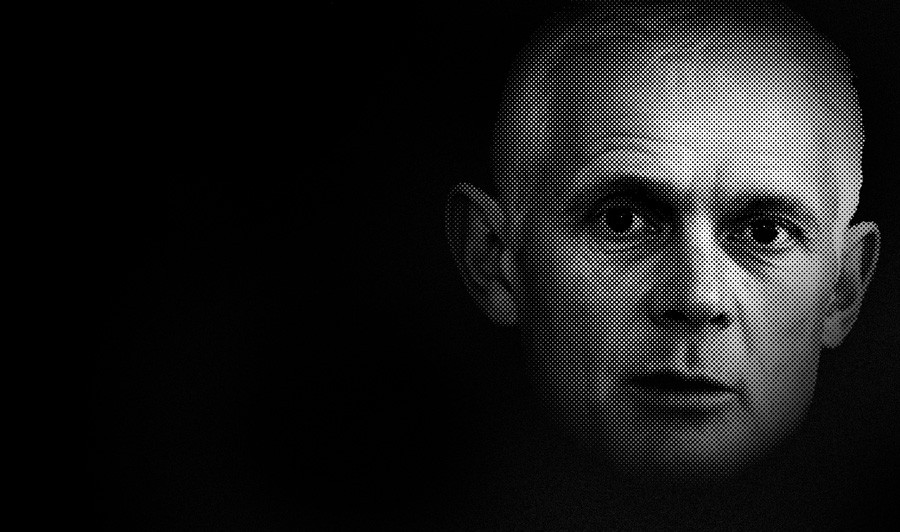
“There's now a small but very real risk of 4°C by the end of the century. The prospects of three and four degrees centigrade of warming are absolutely dire"
Professor Kevin Anderson
Key points from the briefing
We are pushing the climate far beyond the conditions that nurtured civilisation. Carbon dioxide (CO₂) levels are now higher than at any point in at least 800,000 years, and still rising every year.
2°C of global heating is highly likely by 2050, and there’s a very real possibility of 4°C by 2100.
3° to 4°C degrees of heating means the collapse of our systems. We would be in an extreme and unstable climate, far beyond the safe zone that our civilisation grew up in. We would face the widespread breakdown of society, geopolitical instability, and the loss of any meaningful global economy.
If we keep burning fossil fuels, temperatures will keep rising. Cutting 'a bit' is not enough: fossil fuels must be eliminated, or warming - and risk - simply accelerates.
There is now no viable way to stay below the world's target of 1.5°C. And at current emissions rates, the world will use up the carbon 'budget' for staying below 2°C in just 13 years .
Every single month we burn through another 0.7% of the remaining budget for 2°C.
UK ‘climate leadership’ is a myth. Once we rightly include aviation, shipping and imports, UK emissions have fallen by only around 20% since 1990 - well under 1% a year - and our UK current plans claim three times our fair share of the remaining global carbon budget.
Power stations using carbon capture, blue hydrogen made from natural gas, and bioenergy at Drax are delay technologies, designed to avoid effective legislation, and keep polluters in business. After 30 years of promises, carbon capture and storage captures less than 0.03% of global fossil emissions. These technologies completely ignore substantial overseas supply chain emissions (which can’t be captured), while locking in continued fossil fuel use at public expense.
We already have genuine solutions, and these must be deployed at emergency speed. Insulation, renewables, electrification, public transport and energy efficiency already work now and cut emissions fast.
Fairness is essential to avoiding the worst impacts of climate change. High-income, high-emitting groups - not ordinary households - are responsible for most emissions and must cut their energy use.
The choice is stark. Either we organise a rapid, fair transformation of society - or climate change forces chaotic, violent change upon us instead.

